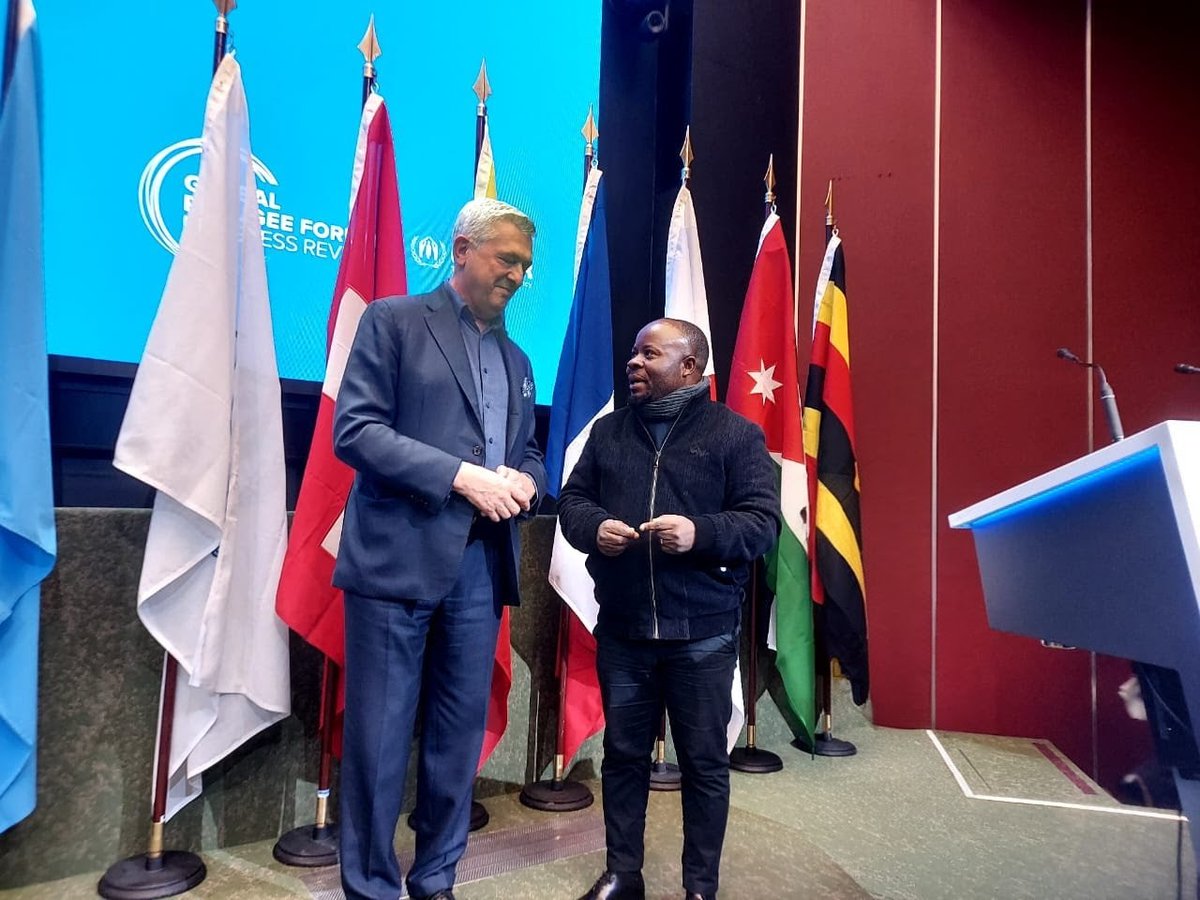
The acting deputy director of UNHCR for Terrorism and Conflict Studies issued a statement determining that the human rights environment in Mozambique did not improve since 2017. The humanitarian situation worsened due to massive displacement in conflict-hit Cabo Delgado province and a drought affecting Southern Africa. As of August, over 850,000 people were displaced within Mozambique due to the conflict and the impact of the climate crisis, according to the United Nations refugee agency, UNHCR local partners. Youth, women and Children’s rights continued to be seriously hindered by the conflict in Cabo Delgado province. Police were implicated in widespread abuses against journalists, civil society activists. Authorities appeared to make some progress in the fight against kidnappings for ransom across the country.
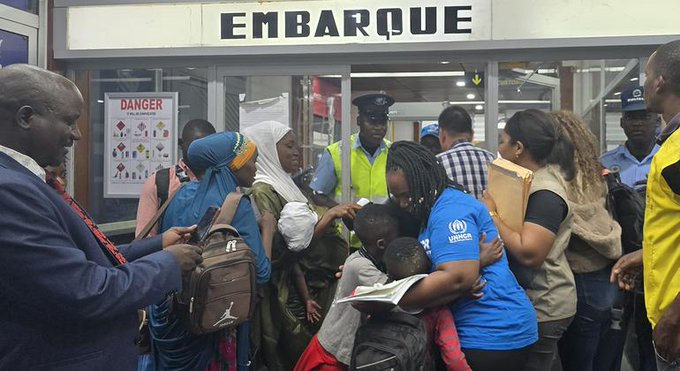
Currently the response of the country and the international community to the human rights abuses is going high while the other responses relating to terrorism threat in Mozambique is focused on ensuring security and humanitarian aid. However, this response alone cannot counter the threat holistically – strengthening criminal justice responses to terrorism and violent extremism will ensure that the perpetrators of terrorist attacks are brought to justice and that the social contract that has been broken is re-established.
Mozambique’s legal framework for terrorism is primarily governed by a comprehensive Counter-Terrorism Law adopted in May 2022, which significantly expanded the state’s powers to investigate, prosecute, and punish terrorist activities.
1. Key Legislation
2022 Counter-Terrorism Law: This law defines terrorist acts as those aimed at creating social insecurity, terror, or panic in the population, or pressuring the government or international organizations.
Freedom of Expression Restrictions: The 2022 law includes controversial provisions that criminalize the dissemination of “false or grossly misleading” information regarding terrorist acts. This is punishable by two to eight years in prison.
Anti-Money Laundering & Financing: In late 2024 and throughout 2025, the government has strengthened laws against terrorist financing and money laundering to meet international standards (FATF), though critics argue these measures are sometimes used to restrict non-profit organizations.
2. Court Operations & Jurisdictional Challenges
Infrastructure Destruction: In districts heavily affected by Islamist terrorism, such as those in Cabo Delgado, physical courts and prosecutors’ offices have been destroyed. As of December 2025, judicial services for these districts are operating remotely from the provincial capital, Pemba.
Pre-Trial Detention: Special provisions allow for extended pre-trial detention in terrorism cases—up to 60 months (5 years) without a completed trial for complex cases—which human rights groups have challenged as unconstitutional.
3. Notable Legal Actions
Terrorist Financing Case: Mozambique recorded its first formal conviction for terrorist financing in 2024/2025, involving private sector collaborations.
TotalEnergies Complaint: Beyond domestic criminal law, survivors of a 2021 terror attack filed a criminal complaint in France against the energy firm TotalEnergies, alleging involuntary manslaughter and failure to assist people in danger during the insurgency.
Mass Arrests: Since 2019, more than 490 cases related to terrorism have been investigated, resulting in over 300 arrests.
The law includes a specific definition of terrorist offenses and prescribes severe penalties, but has faced criticism from human rights and media organizations for potentially limiting civil liberties. In December 2021 two immigrants young Somali boys Abdulrahman Mahdi Hussen and Abdirisak Elmi Hussein were arrested and months later in 2022 sentenced at military court as terrorists members crossed the borders and from Somalia without official reasoning claim from other Somalians in which saying that the two boys are terrorists while local Somalia civil society actors confirmed that the claim is bogus and not true at the same time one of the two boys is legally awarded a national registration and citizenship ID due to his business proposal.
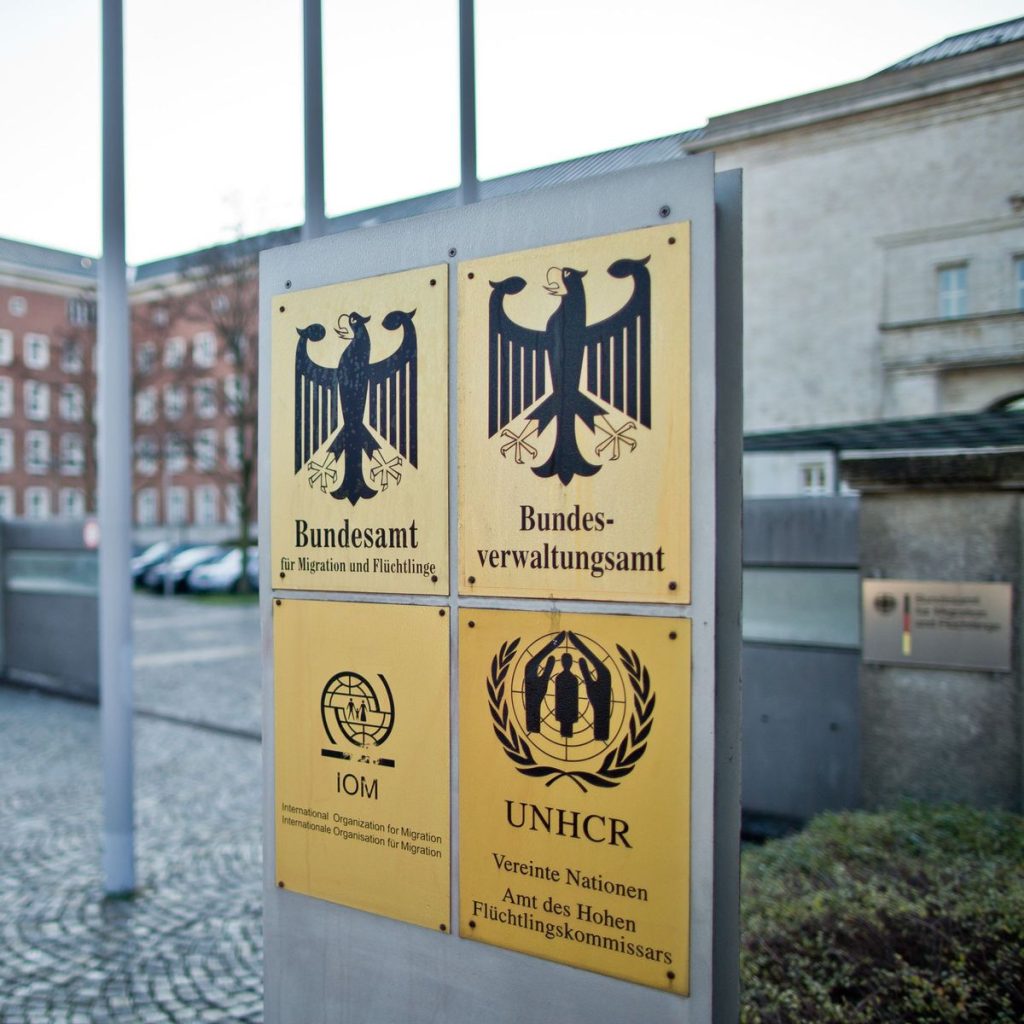
UNHCR met Mozambique officials and appealed their release and relocation to Somalia while is currently working with the local authorities to deport to Mogadishu, the capital city of Somalia in cooperation with IOM and the Federal Office is the Centre of Excellence for Asylum, Migration and Integration in Germany (BAMF).